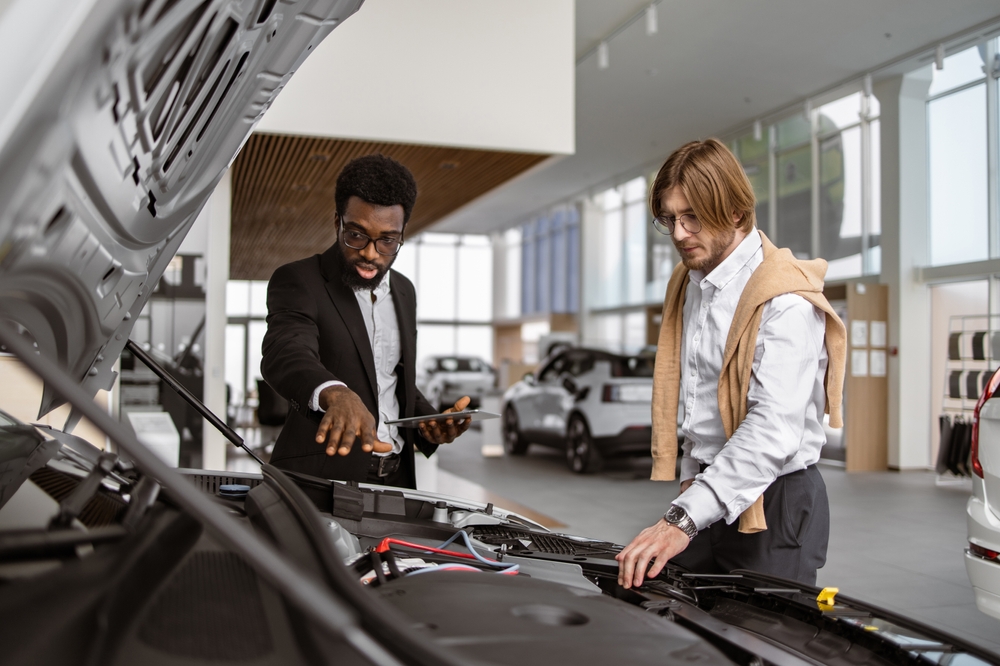

There is a moment in every service visit that determines the trajectory of the entire experience. It happens before the hood is popped, before the technician is assigned, and before a single tool is lifted. It happens right at the vehicle, the second the customer steps out.
Get In TouchThe service walkaround is the most critical sixty seconds in the fixed operations process. Yet, in many dealerships, it is the first thing to be abandoned when the drive gets busy.
When an advisor skips the walkaround, they aren’t saving time. They are sacrificing accuracy and trust. They are gambling that the customer’s verbal description matches the vehicle’s actual condition. This gamble leads to vague repair orders (ROs), frustrated technicians, and customers who feel like a number rather than a priority.
If you want to increase customer trust in service department interactions and eliminate the chaos of misdiagnosis, the solution starts on the pavement.
Why the Walkaround Is the Most Underrated Step in the Service Drive
Many advisors view the walkaround as a formality, a box to check on a clipboard. This mindset is a mistake. The walkaround is not just an inspection; it is a foundational communication tool. It is where the relationship is established and where the “story” of the repair begins.
Customers Trust Advisors Who Look at the Car With Them
Think about it from the customer’s perspective. They are handing over their second most expensive asset to a stranger. If the advisor stays behind a podium, typing on a computer without even glancing at the vehicle, the message is clear: “I don’t care about your car.”
When an advisor physically walks around the vehicle, touches the tires, checks the lights, and looks the customer in the eye while discussing the concern, the dynamic shifts. The customer sees engagement. They see care. This physical presence builds trust-building in service faster than any sales script ever could.
Walkarounds Set the Tone for Transparency and Professionalism
A structured walkaround signals professionalism. It tells the customer that this dealership has a process. It eliminates the feeling of a chaotic, transactional exchange and replaces it with a consultative partnership. Transparency isn’t just about price; it’s about attention to detail.
Skipping This Step Leads to Confusion, Complaints, and Comebacks
Without a walkaround, the advisor is relying entirely on the customer’s often-flawed description. “It’s making a noise” could mean anything. If the advisor doesn’t verify the noise or inspect the area with the customer, the technician gets a bad RO. The technician fixes what they think is wrong, not what is actually wrong. The result? A comeback, an angry customer, and lost revenue.
The Connection Between Walkarounds and Accurate Repair Orders
There is a direct correlation between the quality of the walkaround and the quality of the repair order. Accurate repair orders do not happen by accident. They are the result of good data gathering.
Seeing the Vehicle Helps Advisors Capture the Full Story
You cannot write a good story if you haven’t seen the subject. When an advisor sees the warning light on the dash, smells the burning coolant, or sees the uneven tire wear, they can write specific, detailed notes. Instead of “check engine light on,” the RO says “check engine light on, solid (not flashing), started this morning.” This detail is gold for the technician.
Walkarounds Reduce Misdiagnosis and Technician Rework
Technicians are detectives, but they need good clues. A lazy write-up forces the tech to start from scratch. A detailed write-up, born from a proper walkaround, gives the tech a head start. This reduces the dreaded “could not duplicate” scenario, where a tech drives the car for twenty minutes and finds nothing, only for the customer to pick it up and hear the noise immediately.
Better Documentation Improves Shop Throughput and Efficiency
When ROs are accurate, cars move through the shop faster. Technicians spend less time guessing and more time fixing. Parts are ordered correctly the first time. The entire efficiency of the shop improves when the input (the RO) is high quality. To improve RO accuracy, you must improve the intake process.
What a Proper Walkaround Looks Like in a Modern Dealership
A good service advisor walkaround process is not a lengthy inspection. It is a focused, efficient tour of the vehicle. It should take two to three minutes max, but those minutes are invaluable.
Greet the Customer and Start With Their Main Concern
Start with the human, not the car. “Good morning, Mr. Smith. I see you’re here for a vibration at highway speeds. Let’s take a look.” Acknowledge the primary reason for the visit immediately. This validates the customer’s concern and shows you are listening.
Inspect the Exterior, Tires, and Lights With Them Present
Walk the perimeter. Check the tires for visible wear or damage. Check the wiper blades. Have the customer step on the brake pedal to check the lights. This isn’t a deep dive; it’s a triage. It spots obvious safety issues or pre-existing damage that needs to be documented.
Confirm Mileage, VIN, and Any Visible Wear
Grab the exact mileage. Verify the VIN. Note any scratches or dents on the body. Doing this in front of the customer protects the dealership from false damage claims later (“That scratch wasn’t there before!”) and confirms the vehicle’s identity for warranty purposes.
Ask Clarifying Questions Based on What You See
This is the detective phase. “I see this tire is worn more on the inside edge, has the car been pulling to the left?” “You mentioned a rattle, is it coming from this area of the dash?” Use visual cues to prompt better information from the customer.
How Walkarounds Build Instant Customer Trust
Trust is hard to gain and easy to lose. In the automotive world, customers are naturally skeptical. They enter the drive with their guard up. A great walkaround lowers that guard.
Customers Feel Taken Seriously When Advisors Slow Down
In a rush-rush world, slowing down is a sign of respect. When an advisor takes the time to look, listen, and document, the customer feels heard. They feel that their safety and their vehicle’s condition matter. This emotional validation is a key component of building trust in service department strategies.
The Customer Sees You’re Paying Attention to Detail
Competence breeds confidence. When a customer watches an advisor systematically check the vehicle, they assume that the same level of care will be applied to the repair. It reassures them that they are in professional hands.
Walkarounds Prevent Surprises Later in the Visit
If you point out a bald tire during the walkaround, the customer is not surprised when you call them two hours later recommending tires. You have already planted the seed. The recommendation becomes a confirmation of what you saw together, rather than a surprise sales pitch.
Why Walkarounds Improve MPI Presentation and Approval Rates
The walkaround is the prequel to the Multi-Point Inspection (MPI). It sets the stage for the sale. If you want to improve service approval rate metrics, connect the intake to the inspection.
Advisors Explain Findings Better When They’ve Seen the Vehicle First
It is very hard to sell a repair you haven’t seen. If an advisor has physically looked at the worn wiper blades during the walkaround, they can speak with conviction when presenting the MPI. “Remember those wipers we looked at? The tech confirmed they are streaking badly.”
Technicians Trust Advisors More, Which Improves Shop Flow
Technicians get frustrated when advisors sell work based on guesses. When an advisor provides accurate notes from a walkaround, the technician respects the advisor’s competence. This strengthens the advisor-tech relationship, leading to better communication and smoother shop flow.
MPIs Become More Accurate and Easier for Customers to Understand
When the advisor’s initial notes align with the technician’s findings, the story is consistent. The customer doesn’t get conflicting information. Consistency creates clarity, and clarity leads to approvals.
Common Walkaround Mistakes That Hurt RO Accuracy and Customer Satisfaction
Despite the benefits, many advisors struggle to execute consistent walkarounds. These avoid walkaround mistakes are usually symptoms of bad habits or lack of training.
Rushing Through the Process to “Save Time”
This is the biggest fallacy in the service drive. Skipping a three-minute walkaround saves three minutes now but costs thirty minutes later in phone tag, re-diagnosis, and arguments. “Fast” is not “efficient.”
Asking the Customer What’s Wrong Without Looking at the Vehicle
Writing an RO based solely on a customer’s verbal description is dangerous. Customers use vague terms. “My car is shaking” could mean an engine misfire, a wheel balance issue, or a suspension problem. Without looking, you are guessing.
Missing Visual Issues That Lead to Comebacks
If you miss a cracked windshield or a missing hubcap at drop-off, you own it at pick-up. Customers will inevitably blame the shop for any damage they notice after the service, even if it was there before. A thorough walkaround is your insurance policy.
Not Documenting Findings Clearly in the RO
Doing the walkaround is useless if the information doesn’t make it into the computer. Advisors must transfer their observations into clear, concise notes on the repair order. If it’s not written down, it didn’t happen.
Using Digital Tools to Enhance the Walkaround Experience
The clipboard is dead. Modern dealerships use tablets and digital walkaround tools to modernize the intake process.
Taking Photos During the Walkaround to Confirm Pre-Existing Conditions
A photo is worth a thousand arguments. Snap a picture of the odometer, the fuel level, and any body damage. Upload it instantly to the RO. This provides indisputable proof of the vehicle’s condition at drop-off.
Digital Notes That Sync Directly to the RO
Typing notes directly into a tablet while standing at the car eliminates the need to transcribe handwritten scribbles later. It ensures nothing gets lost in translation and speeds up the write-up process.
Sending Walkaround Photos to the Customer for Transparency
Imagine sending a text to the customer five minutes after drop-off: “Great meeting you today. Here are the photos from our walkaround confirming the mileage and the scratch we noted on the bumper.” This level of transparency is a game-changer for customer confidence.
How Better Walkarounds Reduce CSI Problems and Negative Reviews
Many CSI complaints stem from misunderstandings that could have been resolved in the drive. By investing in service walkaround training, you can prevent CSI issues at the source.
Customers Don’t Feel Blindsided by “Additional Findings”
When you identify potential issues together in the car, the MPI results don’t feel like an ambush. The customer is mentally prepared for recommendations, reducing the “they tried to upsell me” complaint.
Clarifying Expectations Reduces Misunderstandings
The walkaround is the perfect time to set expectations about diagnostic fees and timelines. “Since we need to diagnose that vibration we felt, there is a diagnostic fee of $150, which covers the technician’s time.” Having this conversation face-to-face prevents sticker shock later.
Better Accuracy Means Fewer Comebacks and Re-Diagnosis
Nobody likes bringing their car back because it wasn’t fixed right the first time. By ensuring the RO is accurate from the start, you increase the chances of a “fixed right first time” visit, which is the single biggest driver of high CSI scores.
How Managers Can Train Advisors to Deliver Consistent, High-Quality Walkarounds
You cannot expect what you do not inspect. Managers must prioritize advisor coaching to build a culture of excellence in the drive.
Weekly Walkaround Practice Using Real Vehicle Scenarios
Role-playing is awkward but effective. Take a trade-in vehicle and have advisors practice their walkaround on it. Critique their greeting, their inspection points, and their questions. Build muscle memory so it happens automatically with customers.
Scoring Walkarounds for Thoroughness and Professionalism
Watch your advisors. Create a simple scorecard. Did they check the tires? Did they verify mileage? Did they open the hood? Give them a score and review it with them. What gets measured gets improved.
Reinforcing a Step-by-Step Walkaround Checklist
Give them a tool. A walkaround checklist automotive professionals use ensures no steps are skipped. Whether it’s digital or paper, a checklist provides a safety net for consistency, especially during busy times.
Quick Improvements Advisors Can Make This Week
You don’t need a new software system to get better. These quick service drive improvements are free and immediate.
Slow Down the First Two Minutes of Every Visit
Make a conscious decision to breathe and slow down when you greet a customer. Resist the urge to rush to the computer. Invest those two minutes in the human and the machine.
Ask Three Clarifying Questions at Every Walkaround
Challenge yourself to ask three questions based on what you see. “How long has this light been on?” “Does the noise happen when the engine is cold or hot?” “Have you noticed any fluid in your driveway?”
Capture Photos Before the Vehicle Leaves the Drive
Make it a non-negotiable rule: the car does not go to the shop until photos are taken. This simple habit will save you thousands of dollars in damage claims and countless headaches.
Final Word: A Better Walkaround Creates a Better RO, and a Better Customer Experience
The walkaround is the moment of truth. It is where you demonstrate your value as an advisor. It is where you protect the dealership and the customer.
Walkarounds Aren’t Optional, They’re a Revenue and Trust Strategy
Treat the walkaround with the respect it deserves. It is a strategic tool for accuracy, efficiency, and revenue growth. It is the difference between an order taker and a service professional.
Dealerships That Train This Daily See Higher CSI and Stronger Approvals
The best dealerships in the country obsess over the basics. They train on the walkaround constantly. And the results speak for themselves: happier customers, busier technicians, and a healthier bottom line.