
Most dealership sales conversations become price conversations far too early. A customer asks about a vehicle, the salesperson immediately starts discussing rebates, payments, APR options, and inventory discounts, and suddenly the entire interaction revolves around numbers before the customer feels emotionally connected to anything they are considering buying.
Get In TouchThat is one of the biggest reasons customers shop dealerships like commodities. If no meaningful value is built during the conversation, price becomes the only thing left to compare.
Top-performing automotive salespeople understand that customers rarely buy vehicles based purely on logic. They buy based on comfort, confidence, lifestyle fit, emotional relief, convenience, excitement, family needs, or long-term ownership goals. The strongest dealership conversations build emotional ownership before price ever becomes the central topic.
This page expands on the ideas introduced in our car sales conversation formula and focuses specifically on how dealership salespeople create value naturally during customer conversations.
Why Most Dealership Sales Conversations Become Price-Focused Too Quickly
Most salespeople do not intentionally rush into pricing conversations. It usually happens because they are trying to prove value too early without fully understanding the customer first.
Salespeople Present Inventory Before Creating Emotional Connection
A customer mentions wanting an SUV, and the salesperson immediately starts presenting:
- trim packages
- incentives
- monthly payment estimates
- inventory availability
- technical features
The problem is the customer still has no emotional attachment to the vehicle or ownership experience.
Without emotional connection, customers compare:
- numbers
- discounts
- payment differences
- dealership pricing
instead of comparing value.
Customers Compare Price When They Don’t Feel Ownership Value
If a customer emotionally feels:
- safer
- more comfortable
- less stressed
- more confident
- more excited
about a vehicle, price conversations become easier later.
But if the salesperson never builds emotional ownership, customers naturally reduce the conversation down to:
- “Who’s cheaper?”
- “What’s my payment?”
- “Can another dealership beat this?”
That is why value-building matters so much in modern dealership communication.
Product Information Is Not the Same as Emotional Value
Most customers do not emotionally care about technical features alone.
For example:
- “This SUV has adaptive cruise control”
is not emotionally meaningful yet.
But:
- “You mentioned long highway commutes every week. Most customers say this feature reduces fatigue quite a bit during longer drives.”
Now the feature connects to the customer’s life.
That changes the conversation entirely.
Strong Value-Building Reduces Objections Later
When customers emotionally connect with ownership benefits early, objections become easier to manage later because the vehicle no longer feels interchangeable.
This directly impacts many of the pricing conversations discussed in our guide to car sales price objections.
What Building Value Actually Means in Automotive Sales
Building value does not mean manipulating customers or avoiding pricing discussions. It means helping buyers understand why a vehicle fits their life before discussing numbers.
Customers Buy Ownership Experience, Not Specifications
Most buyers are not walking into a dealership excited about engine compression ratios or suspension geometry. They are thinking about:
- family comfort
- reliability
- stress reduction
- image
- convenience
- safety
- confidence
- lifestyle upgrades
Top salespeople know how to connect features back to those emotional outcomes.
Emotional Buying Triggers Shape Most Vehicle Decisions
Customers often justify purchases logically later, but emotional triggers usually drive initial desire.
Examples include:
- finally replacing an unreliable vehicle
- wanting safer transportation for children
- reducing daily commute frustration
- feeling more successful professionally
- enjoying road trips more comfortably
- simplifying family logistics
Great dealership conversations uncover those emotional drivers naturally.
Customers Need to Picture Ownership Before They Buy
One of the strongest value-building techniques in automotive sales is helping customers mentally experience ownership before they make the decision.
Customers need to imagine:
- driving the vehicle daily
- parking it at home
- using it with family
- commuting comfortably
- feeling confident inside it
That emotional visualization increases attachment long before price enters the conversation.
Our value-based car sales training focuses heavily on teaching dealership teams how to create these conversations naturally.
The Psychology Behind Value-Based Car Sales Conversations
The strongest dealership conversations are psychologically aware without sounding manipulative.
Comfort, Convenience, and Confidence Drive Decisions
Customers often say they want:
- reliability
- affordability
- better fuel economy
But underneath those logical statements are emotional goals:
- less stress
- more confidence
- greater comfort
- fewer problems
- improved daily routines
The salesperson’s job is understanding the emotional layer behind the practical request.
Customers Buy Emotionally Before They Buy Financially
Even financially responsible buyers usually make emotional decisions first.
That emotional response might be:
- relief
- excitement
- safety
- pride
- comfort
- confidence
The financial side matters tremendously, but emotional certainty often comes first.
Fear of Regret Impacts Automotive Purchases
Customers are often trying to avoid:
- making the wrong decision
- overpaying
- buying unreliable vehicles
- regretting the dealership experience
Strong value-building lowers those fears by increasing confidence and clarity.
How Top Dealership Salespeople Build Value Before Discussing Price
The best salespeople build value throughout the entire conversation instead of trying to “close” value at the end.
Using Discovery Questions to Uncover Emotional Buying Motivations
Strong value-building begins during discovery.
Questions like:
- “What’s been frustrating about your current vehicle?”
- “What made you start shopping now?”
- “What would make your next vehicle feel like a real upgrade?”
help uncover emotional motivations naturally.
That information allows the salesperson to personalize the presentation later instead of using generic inventory pitches.
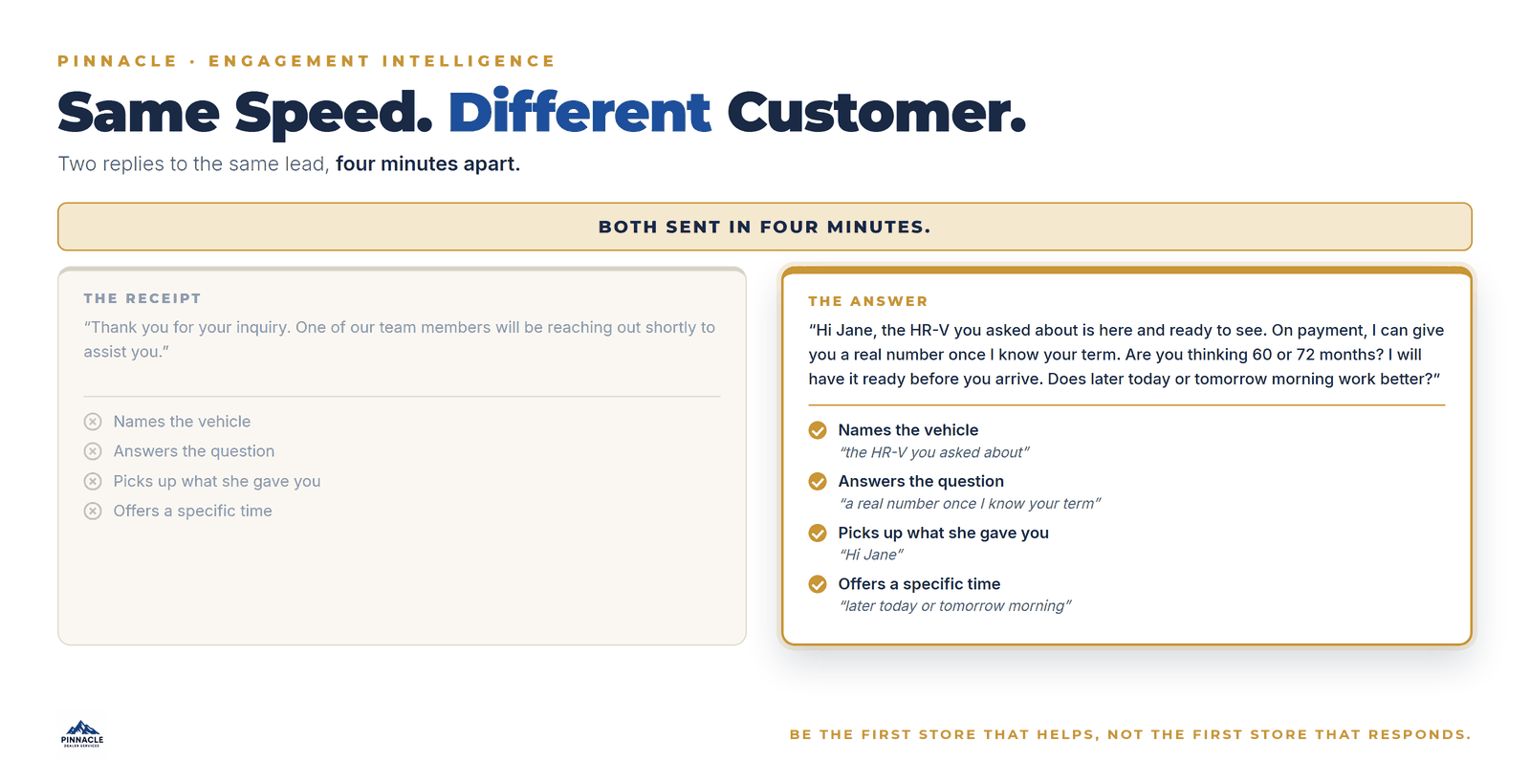
Connecting Features to Real-Life Customer Situations
This is where many dealership salespeople improve dramatically once trained correctly.
Weak presentation:
“This trim has heated seats.”
Stronger presentation:
“You mentioned early morning commutes during winter. Most customers really appreciate this feature because it makes cold mornings much more comfortable.”
The feature stays the same. The emotional connection changes.
Why Storytelling Builds More Value Than Specifications
Customers emotionally respond to stories much faster than technical explanations.
For example:
- “A lot of customers who commute long distances say this feature completely changed how exhausting their drive feels.”
That creates relatability and ownership imagination.
Storytelling helps customers picture themselves benefiting from the vehicle instead of simply hearing specifications listed at them.
Helping Customers Mentally Experience Ownership
Great dealership conversations help buyers emotionally step into ownership before committing.
Examples:
- discussing family road trips
- daily commuting comfort
- loading sports equipment
- reducing stress during bad weather
- simplifying routines
This creates emotional familiarity with the vehicle.
Feature vs Benefit Examples in Car Sales Conversations
One of the biggest mistakes in automotive sales is confusing features with value.
Weak Feature-Focused Example
“This truck has a tow package, upgraded suspension, and integrated trailer assist.”
Technically accurate, but emotionally flat.
Stronger Benefit-Focused Conversation Example
“You mentioned towing your boat several weekends each month. Most truck owners appreciate how much easier this setup makes longer towing trips, especially when backing into tighter areas.”
Now the customer sees:
- convenience
- confidence
- reduced stress
- practical ownership benefit
instead of technical jargon.
Lifestyle-Based Selling Example
A customer shopping for a family SUV may care less about horsepower and more about:
- cargo flexibility
- child comfort
- travel convenience
- stress reduction
A luxury buyer may care more about:
- driving experience
- comfort
- image
- confidence
A truck buyer may focus on:
- utility
- work capability
- long-term durability
Strong salespeople adapt presentations to lifestyle priorities instead of presenting every vehicle the same way.
Several of these conversational approaches also align with our modern dealership sales scripts framework.
Mistakes Salespeople Make When Trying to Build Value
Many salespeople unintentionally weaken value-building without realizing it.
Talking Too Much About Features
Customers rarely emotionally connect with long technical explanations.
Discussing Price Before Emotional Connection Exists
Premature pricing usually shifts the entire conversation into comparison mode.
Using Generic Phrases Every Customer Hears
Statements like:
- “This vehicle practically sells itself”
- “You can’t beat this deal”
- “This won’t last long”
often sound overly scripted and reduce trust.
Presenting Every Vehicle the Same Way
Different buyers care about different outcomes. Presentations should feel personalized.
Overloading Customers With Technical Information
Too much information too early creates confusion instead of excitement.
How Building Value Changes Price Conversations
Price resistance changes dramatically when emotional value already exists.
Customers Resist Price Less When They Feel Emotionally Connected
Customers who emotionally picture ownership are usually more willing to work through financial conversations than customers who still feel disconnected from the vehicle.
Strong Value-Building Improves Trade Conversations
When customers feel confident about the overall ownership experience, trade discussions become less emotionally combative.
Emotional Confidence Reduces Hesitation
Most customers simply want confidence:
- confidence in the dealership
- confidence in the vehicle
- confidence in the decision
Value-building creates that emotional stability.
Great Salespeople Slow Down Price Resistance
Instead of immediately defending pricing, experienced salespeople return the conversation back toward ownership benefits, customer priorities, and long-term satisfaction.
Role-Play Examples of Value-Based Car Sales Conversations
This is where value-building becomes practical instead of theoretical.
Example: Family SUV Conversation
Customer: “We really just need more room.”
Salesperson: “What’s become hardest with your current setup?”
Customer: “Honestly, road trips and sports equipment.”
Salesperson: “That makes sense. Most families in that situation appreciate how much easier daily routines become once they have flexible cargo space and easier access for kids.”
The conversation focuses on ownership experience, not specifications.
Example: Luxury Vehicle Buyer
Customer: “I’m looking for something a little nicer this time.”
Salesperson: “What’s pushing you toward upgrading now?”
Customer: “Honestly, I’m driving a lot more for work.”
Salesperson: “That makes sense. Most people who spend significant time driving daily want the experience itself to feel more comfortable and rewarding.”
That builds emotional value naturally.
Example: First-Time Buyer Nervous About Payments
Customer: “I just don’t want to overextend myself.”
Salesperson: “Completely understandable. Most buyers want confidence both financially and with the vehicle itself. Besides payment comfort, what matters most to you long-term?”
That keeps the conversation emotionally balanced instead of immediately defensive.
How Dealerships Train Salespeople to Build Value Naturally
Strong value-building is trainable when dealerships coach conversations correctly.
Role-Playing Helps Salespeople Improve Faster
The best dealerships regularly role-play:
- emotional discovery
- feature-to-benefit transitions
- lifestyle conversations
- ownership visualization
- price transition timing
Coaching Conversations Works Better Than Memorized Scripts
The strongest dealership teams sound structured but natural.
Managers should coach:
- listening
- pacing
- emotional awareness
- personalization
- confidence
instead of only script memorization.
Confidence Directly Impacts Value Communication
Salespeople who sound uncertain struggle to create emotional certainty for customers.
That is why conversational confidence matters so heavily in automotive sales performance. Our sales confidence training helps dealership teams improve natural communication without sounding robotic or overly aggressive.
The Best Dealerships Train Emotional Intelligence Alongside Product Knowledge
Product knowledge matters. But understanding customer psychology matters just as much.
Our sales consultant training helps dealership teams improve:
- discovery conversations
- emotional connection
- objection prevention
- value communication
- customer trust-building
through practical, modern dealership coaching.
Download the Value-Based Car Sales Conversation Cheat Sheet
A dealership value-building cheat sheet can help sales teams improve consistency during:
- vehicle presentations
- discovery conversations
- objection prevention
- trade discussions
- follow-up conversations
Useful sections could include:
- feature-to-benefit examples
- emotional trigger prompts
- lifestyle discovery questions
- transition language
- ownership visualization examples
- customer conversation templates
This type of resource is especially useful for:
- onboarding
- role-play sessions
- coaching meetings
- BDC transitions
- showroom consistency
Video Examples of High-Value Automotive Sales Conversations
This page is ideal for:
- embedded role-play videos
- feature-to-benefit demonstrations
- manager coaching examples
- lifestyle selling walkthroughs
- customer psychology breakdowns
Video examples help dealership teams understand:
- tone
- pacing
- emotional connection
- transition timing
- conversational control
far more effectively than static scripts alone.
Frequently Asked Questions About Building Value in Car Sales
What does building value mean in automotive sales?
Building value means helping customers emotionally understand why a vehicle improves their lifestyle, comfort, confidence, or ownership experience before focusing heavily on pricing.
Why do customers focus so heavily on price?
Customers naturally focus on price when emotional ownership value has not been established yet.
What is the difference between features and benefits?
Features describe what a vehicle has. Benefits explain how those features improve the customer’s real-life experience.
Why is lifestyle selling important in car sales?
Lifestyle selling helps customers emotionally connect vehicle ownership to their routines, frustrations, goals, and priorities.
How do dealership salespeople create emotional connection?
Strong salespeople ask discovery questions, listen carefully, personalize presentations, and connect vehicle features back to the customer’s real-world needs.
How can dealerships train value-based selling skills?
The strongest dealerships use:
- role-playing
- coaching
- conversation reviews
- feature-to-benefit training
- emotional discovery practice
- confidence development
to improve sales communication naturally.