The decision to answer a phone call happens in about a second, and it is made on what the screen says. If your dealership’s outbound calls arrive as a bare 10-digit number — or worse, as “Spam Likely” — your best agent is losing the call before they have said a word. Branding your numbers and cutting how many you use is the fix.
The Decision Happens Before Hello
Phone performance in a dealership is usually discussed as a conversation problem: the greeting, the qualifying, the ask. All of that matters, and all of it is downstream of a decision the customer already made while the phone was ringing.
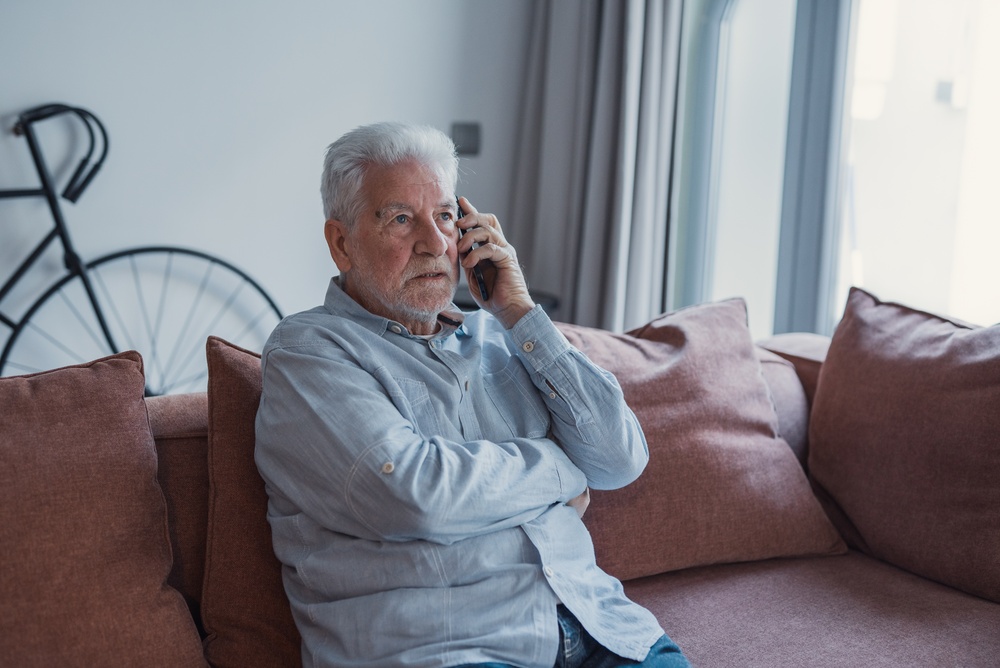
That decision is made on one line of text. If the screen shows a name the customer recognizes, they weigh whether to pick up. If it shows ten digits and nothing else, most people do not weigh anything — they let it ring. Your word tracks never get used, and the call is logged as a no-answer, which reads in your reporting as a customer problem rather than a caller ID problem.
Ignored, Distrusted, and Flagged
There are three distinct failure states, and they get progressively worse.
Ignored. The call shows as a plain number. Even a customer who visited your store last week does not know it is you — they are shopping several dealerships and receiving calls from numbers that all look identical. Nothing about the screen distinguishes your follow-up from a cold call.
Distrusted. The call arrives labeled “Spam Likely” or similar. This is materially worse than being ignored, because the customer’s carrier is actively warning them about your store. The first impression is not absence, it is a caution sign, and it attaches to your brand rather than to the number.
Mismatched. The number does not fit your market, your main line or your brand. A customer shopping locally sees an out-of-area code and reasonably assumes telemarketer. This one is self-inflicted and common, because tracking numbers get provisioned wherever the vendor happens to have inventory.
Volume makes all three worse. Carriers and the analytics firms that feed them score traffic patterns, and a high volume of short outbound calls from an unregistered number is close to the textbook signature of the thing spam filters exist to catch.
What the Research Actually Says
Two findings are worth quoting, and both are worth dating, because this is a fast-moving area and a statistic without a year is not evidence.
Transaction Network Services surveyed U.S. consumers and found that 75% never answer calls from numbers they do not recognize. In the same survey, 78% said they were more willing to answer when the caller ID displayed the logo and name of a brand they recognized. That research was published in July 2022, and its direction has not reversed since.
More recently, TransUnion reported that 76% of consumers would be likely to answer calls from businesses they use if the company displayed its name and logo on the call. That figure was published on January 30, 2024, alongside the launch of in-network branded call display with AT&T.
The practical reading is not that branding guarantees an answer. It is that roughly three in four people have already decided how they treat unidentified calls, and that the identity on the screen is one of the few levers that moves a number that large.
Brand, Organize, and Downsize
Start by looking at what customers see. Managers should call their own store’s outbound lines from several devices on different carriers — an iPhone on one network, an Android on another — and photograph the incoming screen each time. Does it show the dealership name? A bare number? Unknown caller? A spam warning? Carriers differ, so one clean test is not an all-clear. This is the same discipline as the five-minute secret shop, applied to the ring instead of the conversation.
Get the numbers branded. Work with your phone provider, CRM vendor, call-tracking platform or a carrier registration service so your numbers are registered and properly identified. Branded calling programs display a verified business name, and often a logo and a call reason, on supported devices. Registration is also what keeps legitimate traffic from being scored like unknown traffic in the first place.
Match the number to the market. Local numbers, or a recognizable main line, should replace random out-of-market numbers. If a customer calls the number back, the route needs to be clean and land with the right team rather than in a menu or a mailbox — a callback that dead-ends undoes the work.
Then cut the count. This is the step stores resist and the one that pays. Every additional number is another identity the customer has to learn and another chance to be flagged. If eight numbers are used for follow-up, no customer will ever recognize any of them. Fewer numbers, used consistently, is what makes recognition possible at all.
Re-check on a schedule. Caller ID reputation is not permanent. It shifts with volume, with complaint patterns and with carrier algorithm changes. If answer rates drop suddenly and nothing about your process changed, check the labeling before you rebuild the scripts. This belongs in the same monthly review as the rest of your lead management numbers.
What This Does Not Fix
Branding your numbers raises the chance the call is answered. It does nothing about what happens next. A store that fixes its caller ID and still opens with a weak greeting has simply bought itself more opportunities to lose, which is why this work sits alongside word tracks and BDC training rather than replacing them. It is also worth being clear that answer rate is not the goal — quality calls, not answered calls, is what turns into appointments.
Boot Camp
Ready to fix this at your store? This is exactly what we coach at the Pinnacle 3-day Boot Camp: three days of live, hands-on training plus a 90-day program that makes it stick, co-presented with Applied Concepts, September 21-23 in Lake Mary, Florida.
Want a free preview first? Join us for Stump the Matts, a free live webinar where you bring your toughest dealership challenge and Matt Lowery and Matt Gray solve it on the spot. One live attendee walks away with a free seat at Boot Camp, a $2,495 value, plus the full 90-day program. You have to be there live to win. Register at PDSDealer.com/webinar, or Get Started with our team directly.
Frequently Asked Questions
Why do our dealership calls show up as “Spam Likely”?
Usually because the number is unregistered and its traffic pattern resembles the behavior spam analytics engines look for: high outbound volume, many short calls, and a low answer rate. Numbers provisioned by a vendor outside your market are especially exposed. Consumer complaints against the number accelerate it, and once a label attaches it tends to persist until the number is remediated.
How do we get our dealership name to display on outgoing calls?
Through a branded calling program, arranged via your phone provider, call-tracking platform or a carrier registration service. Your numbers are registered to your verified business identity, and supported devices then display the name — and in some programs a logo and a reason for the call. Coverage varies by carrier and handset, so expect the improvement to be partial rather than universal.
How many phone numbers should a dealership use for outbound calls?
Fewer than most stores use. There is no single correct count, but the test is whether a repeat customer could plausibly recognize the number calling them. Numbers accumulate through campaign-level call tracking, and each one added is a new identity the customer has never seen. Consolidating to a small, branded, locally consistent set is what makes recognition possible.
Does a local area code actually matter?
It helps, because an out-of-area code on a local purchase reads as a telemarketer to many people. It is not a substitute for branding, though — a local number with no name attached is still a bare number. Treat matching the market as the floor and displaying the business name as the goal.
How often should we check our caller ID reputation?
Monthly for most stores, and immediately whenever answer rates fall without a process change. Reputation shifts with outbound volume, complaint patterns and carrier algorithm updates, so a number that was clean last quarter can be labeled this quarter. Checking means placing real calls to real handsets on more than one carrier, not just asking the vendor.
Summary
A strong agent cannot help a customer who never answers. When dealership calls arrive as unknown numbers or spam warnings, trust is damaged before the first word, and the loss shows up in your reporting as a customer who did not pick up rather than as a caller ID problem you could have fixed. Audit what customers actually see across carriers, register and brand your numbers, match them to your market, cut how many you use, and re-check on a schedule. Then make sure the call that finally gets answered is worth answering — that part is training and coverage.